Knowing Your Rights: How a Landlord Eviction Attorney Can Help You
Facing eviction can be a formidable experience for tenants. Many don't realize the rights and legal safeguards they have access to. An eviction defense lawyer can offer vital assistance throughout this difficult period. These professionals provide guidance on rental contracts and municipal regulations, assisting renters through the intricate eviction proceedings. Understanding how an attorney can assist may be crucial for those seeking to maintain their housing stability. What essential protections and entitlements should renters understand?
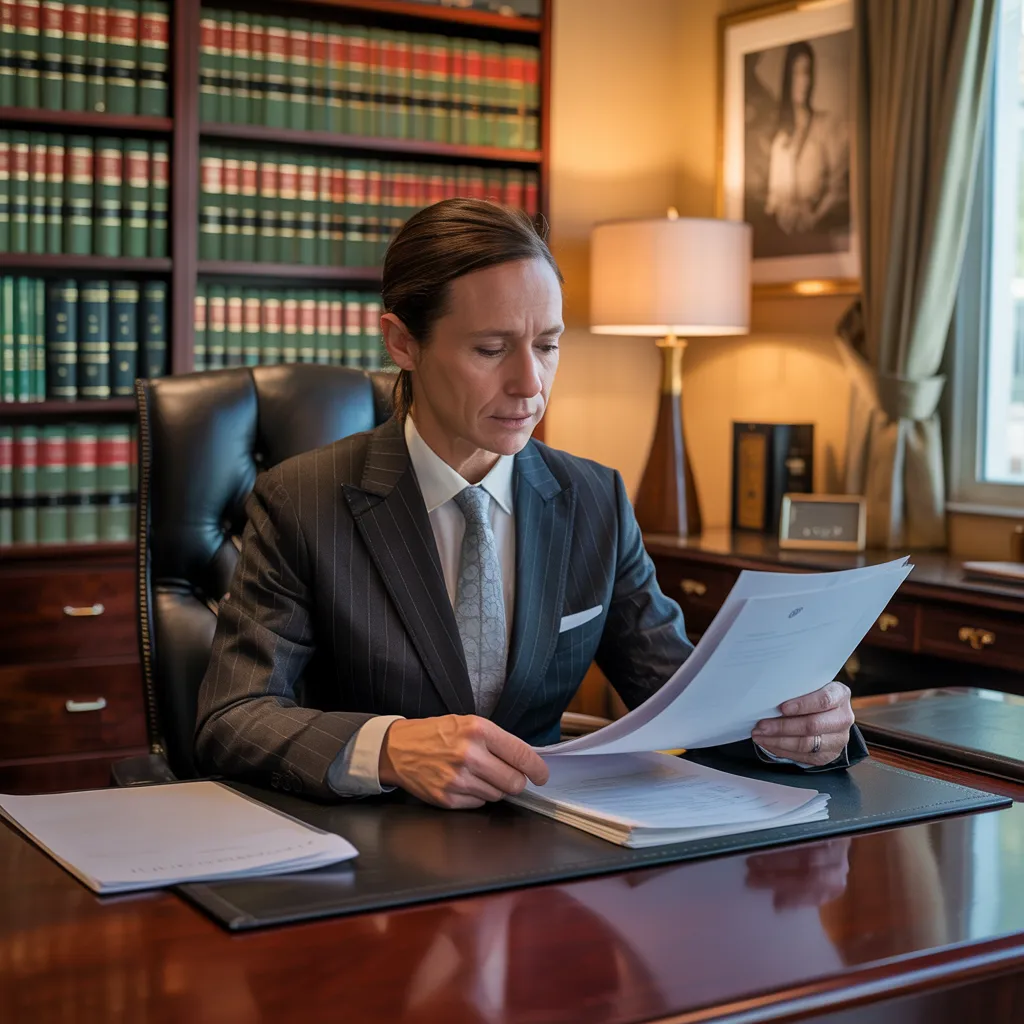
Main Causes of Eviction and Your Defense Options
Evictions often originate from multiple standard grounds, each with specific defenses that tenants can assert. One prevalent cause is non-payment of rent, where tenants may argue they were denied essential services, affecting their ability to pay. Another reason is lease violations, such as unauthorized pets or excessive noise. Tenants can sometimes demonstrate that the alleged violations were either baseless or corrected promptly. Furthermore, landlords may initiate eviction for property damage, but tenants might make their case by establishing that the damage was there beforehand or caused by normal wear and tear. Furthermore, some evictions result from retaliatory actions following tenant complaints about housing conditions. In such cases, tenants can assert their right to protection against retaliation. Understanding these standard reasons and corresponding defenses can empower tenants facing eviction, allowing them to navigate the legal process with greater confidence and clarity.
|
Key Renter Rights to Be Aware Of When Confronting Eviction
Before facing eviction, tenants should be aware of their fundamental rights, which can greatly influence the outcome of their situation. Renters have the entitlement to receive sufficient warning before the eviction process starts, generally detailed in their lease document or statutory requirements. Furthermore, they may not be removed without judicial related article authorization, securing that appropriate legal steps are adhered to. Tenants furthermore have the entitlement to dispute the eviction in legal proceedings, in which they may offer their arguments and whatever defenses they possess.
Furthermore, tenants are safeguarded against retaliatory evictions, which occur when landlords seek to evict a tenant for exercising their legal rights, such as reporting unsafe living conditions. Crucially, tenants should also be aware of their right to habitable living conditions, which mandates landlords to keep up the property sufficiently. Understanding these rights can enable tenants and help them navigate the complexities of eviction proceedings efficiently.
What Are the Ways a Landlord Eviction Attorney Can Protect You?
How can a landlord eviction attorney make a difference in a tenant's fight against eviction? An eviction attorney delivers vital guidance and representation, making certain that tenants comprehend their rights and legal choices. They can analyze lease agreements and municipal eviction statutes, identifying any procedural errors or violations by the landlord that could invalidate the eviction process. This knowledge is essential in building a solid defense, potentially leading to case dismissal or negotiation of more favorable terms.
Moreover, an attorney can aid in gathering essential documentation, preparing legal arguments, and representing the tenant in court. Their presence can balance the scales against landlords who may hire experienced legal counsel. By championing the tenant's rights, an eviction attorney not only seeks to prevent unlawful eviction but also helps protect the tenant's future housing stability and financial health. This support can minimize the stress associated with eviction proceedings, enabling tenants to navigate the legal system competently.
What to Anticipate During the Eviction Process When You Have Legal Assistance
Navigating the eviction process can be daunting, especially when a tenant is armed with legal assistance. With the support of an eviction attorney, the tenant gains a more comprehensive understanding of their rights and responsibilities throughout the proceedings. Initially, the attorney will assess the lease agreement and any relevant documentation to review the situation. They will then provide strategic advice, including potential defenses against the eviction.
Throughout the court hearing, the attorney will represent the tenant, providing evidence and arguments to counter the landlord's claims. They will also help in negotiating potential settlements, often seeking to resolve the dispute peacefully. If the case advances to a judgment, the attorney will guarantee that the tenant understands the ramifications of the decision and any next steps, including the possibility of an appeal. In the end, legal assistance can substantially enhance a tenant's ability to navigate the eviction process effectively.
Choosing the Best Eviction Attorney for Your Needs
Selecting the right eviction attorney can significantly influence the outcome of a tenant's case. It is crucial for people facing eviction to evaluate several key factors when choosing legal representation. First, potential clients should assess the attorney's experience specifically in eviction law. An attorney with a robust track record in landlord-tenant disputes will likely have important insights and strategies.
Next, tenants should examine the attorney's communication style and availability. Professional communication fosters a strong attorney-client relationship, making certain that the tenant's concerns are resolved in a timely manner. Moreover, understanding the attorney's fee structure is vital. Some may charge a flat rate, while others operate on a contingency basis.
Finally, obtaining recommendations or reviewing feedback can offer valuable information into the attorney's credibility. By meticulously analyzing these considerations, tenants can identify an eviction attorney who best suits their specific needs, increasing their chances of a favorable outcome.
FAQ
Can I Stop an Eviction After It Has Started?
Stopping an eviction after it has begun can be difficult. Alternatives may include working out an agreement with the landlord, resolving any legal deficiencies in the eviction notice, or seeking legal assistance to examine potential protective measures or delays.
What's the Average Timeline for the Eviction Process?
An eviction process usually takes anywhere from few weeks up to several months, contingent upon local laws, judicial schedules, and the particular details of the case, such as tenant reactions and any legal challenges.
What Should I Do if I Can't Afford an Attorney?
If you cannot afford an attorney, individuals should look for legal aid organizations, consider pro bono services, or consult nearby law schools for student assistance. Exploring tenant rights resources can also provide valuable guidance during the eviction process.
Is It Possible to Sue My Landlord for Wrongful Eviction?
Certainly, a tenant has the right to sue a landlord for wrongful eviction if the eviction goes against lease terms or local ordinances. It's recommended to gather evidence and consult an attorney to navigate the intricacies of such cases.
Will an Eviction Be on My Record Forever?
An eviction may persist on a renter's record for multiple years, usually spanning seven to ten years, depending on state laws. Once this duration has passed, it might be feasible to have the record expunged.